
 Deutsch
 English

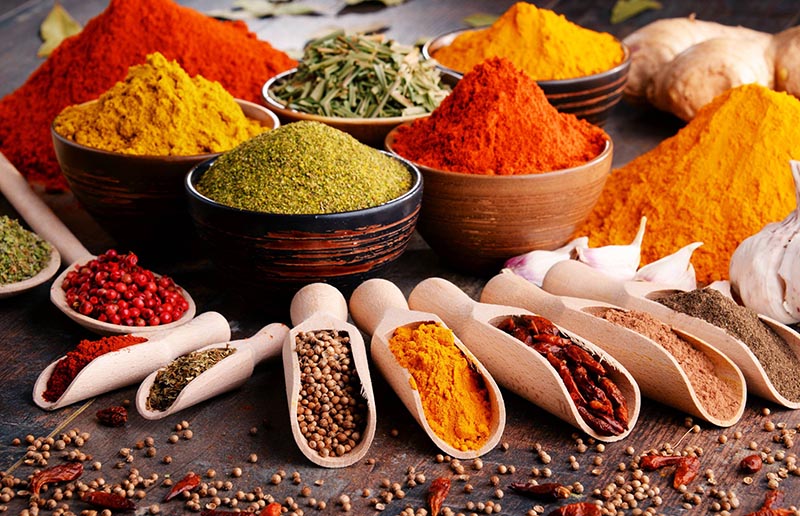
Turkish spices are more than just flavor enhancers — they are potent sources of antioxidants, essential oils, and bioactive compounds that have been used in traditional medicine for centuries. For food manufacturers and spice buyers, understanding these health properties is increasingly important as consumer demand for functional foods continues to grow.
At BF Spices, we export premium Turkish herbs and spices from our BRC & ISO 22000 certified facility in Bursa. Here’s a closer look at the science-backed health benefits of our core product range.
Bay Leaves (Laurus nobilis) — The Mediterranean Powerhouse
Turkish bay leaves are far more than a culinary staple. Research has identified several significant health properties:
- Blood Sugar Regulation: Studies published in the Journal of Clinical Biochemistry and Nutrition found that bay leaf consumption may help improve insulin function and reduce blood glucose levels in people with type 2 diabetes.
- Anti-inflammatory Properties: Bay leaves contain parthenolide, a compound shown to inhibit inflammatory pathways. This makes bay leaf extract valuable for functional food applications.
- Digestive Health: The essential oils in bay leaves — primarily 1,8-cineole and eugenol — promote healthy digestion and have carminative (gas-reducing) effects.
- Antimicrobial Activity: Bay leaf essential oil demonstrates activity against common foodborne pathogens, which contributes to the traditional use of bay leaves in food preservation and pickling.
Turkish bay leaves from the Aegean coast typically contain 1.0–3.0% volatile oil, significantly higher than bay leaves from other origins. This higher essential oil content directly correlates with stronger health benefits.
Thyme (Thymus vulgaris) — Nature’s Antimicrobial
Turkish thyme is one of the most medicinally potent herbs available:
- Thymol Content: The primary active compound in thyme, thymol, is a powerful natural antiseptic. It’s widely used in pharmaceutical products, mouthwashes, and natural preservatives.
- Respiratory Health: Thyme has been used for centuries to treat coughs and bronchitis. The European Medicines Agency has approved thyme-based preparations for upper respiratory tract infections.
- Antioxidant Power: Thyme ranks among the highest antioxidant herbs — just one teaspoon contains as many antioxidants as a full serving of many vegetables.
- Food Preservation: Thyme’s antimicrobial properties make it increasingly popular as a natural preservative in clean-label food manufacturing.
Oregano (Origanum vulgare) — The Carvacrol Champion
Turkish oregano is prized worldwide for its exceptionally high carvacrol content:
- Strongest Natural Antimicrobial: Carvacrol, the primary compound in oregano oil, has been shown in peer-reviewed studies to be effective against E. coli, Salmonella, and Staphylococcus aureus.
- Immune Support: Oregano oil supplements are among the fastest-growing natural health products globally, driven by consumer demand for immune-supporting ingredients.
- Anti-inflammatory: Carvacrol has demonstrated significant anti-inflammatory effects in laboratory studies, making oregano extract valuable for nutraceutical applications.
- Vitamin K Source: Oregano is rich in vitamin K, essential for bone health and blood clotting — an important consideration for functional food formulations.
Turkish oregano from the Mediterranean and Aegean regions contains SVO (Steam Volatile Oil) levels ranging from 1% to 5%, with higher SVO grades commanding premium prices in export markets.
Dried Mint (Mentha piperita) — The Digestive Specialist
Turkish dried mint is renowned for its intense aroma and therapeutic properties:
- Digestive Relief: Peppermint is one of the most well-researched herbs for digestive health. It relieves symptoms of IBS, bloating, and indigestion.
- Menthol Content: The menthol in mint provides natural cooling and pain-relieving effects, widely used in pharmaceuticals, cosmetics, and food products.
- Calming Effect: Mint tea is one of the world’s most consumed herbal beverages, valued for its calming and stress-reducing properties.
- Respiratory Benefits: Menthol acts as a natural decongestant, making mint a key ingredient in cold and flu remedies.
Quality Matters: Why Origin and Processing Affect Health Benefits
Not all spices are created equal. The health benefits described above depend heavily on essential oil content, which is determined by:
- Geographic origin: Turkey’s unique climate produces herbs with higher volatile oil concentrations than most other origins
- Harvesting time: Proper harvest timing ensures peak essential oil content
- Drying method: Controlled drying preserves volatile compounds that would be lost with improper processing
- Storage conditions: Professional storage in climate-controlled facilities prevents degradation of active compounds
At BF Spices, our BRC, ISO 22000, and FSSC 22000 certified processing facility ensures that these quality factors are systematically controlled — preserving maximum health benefits from harvest to export.
Source Premium Turkish Spices
Looking for high-quality Turkish herbs and spices with verified essential oil content? Contact BF Spices for samples, COA documents, and competitive B2B pricing. Call us at +90 224 211 78 73.