
 Deutsch
 English

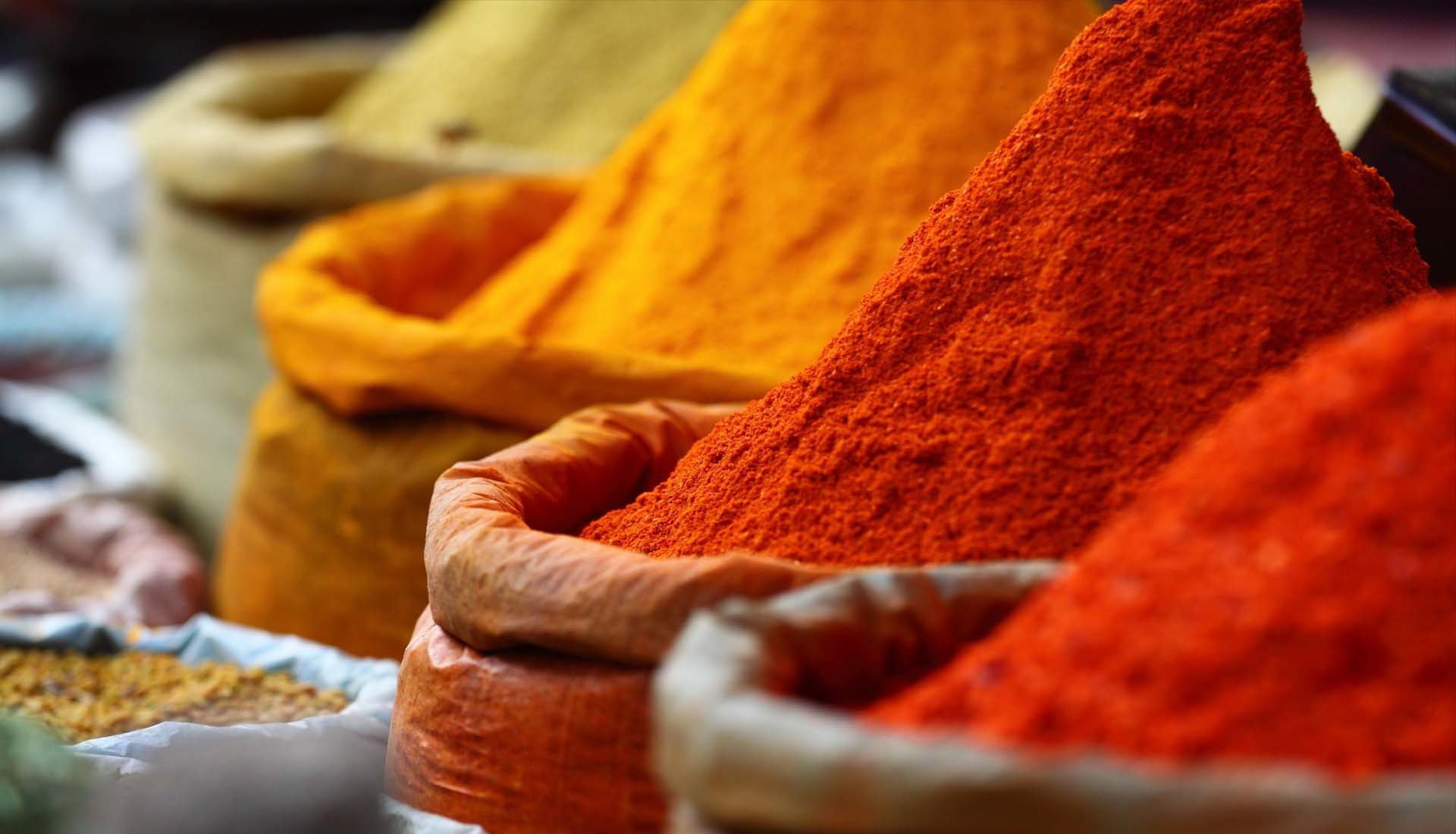
Sourcing wholesale spices is a critical procurement decision that directly impacts your product quality, food safety compliance, and bottom line. Whether you’re a food manufacturer, private-label brand, or spice distributor, knowing what to look for — and what to avoid — can save you from costly mistakes.
At BF Spices, we’ve been exporting premium Turkish herbs and spices for over 20 years. Based on our experience working with buyers across 20+ countries, here’s the definitive quality checklist for wholesale spice procurement.
1. Verify Food Safety Certifications First
Before evaluating price or product quality, always check your supplier’s food safety certifications. This is non-negotiable for any serious B2B buyer.
The certifications that matter most:
- BRC Global Standard: Required by most UK and European retailers. Annual third-party audit covering facility standards, HACCP, and product control.
- ISO 22000: International food safety management standard. Recognized worldwide, especially valued in Asia and the Americas.
- FSSC 22000: GFSI-recognized scheme accepted by major global food companies like Nestlé, Unilever, and Danone.
- Organic Certification: If you need organic-certified products, verify the supplier holds valid organic certification from an accredited body (EU Organic, USDA NOP, or equivalent).
Red flag: Any supplier who cannot provide current certification documents upon request should be avoided. At BF Spices, we hold BRC, ISO 22000, and FSSC 22000 certifications — all available for review on request.
2. Request a Certificate of Analysis (COA)
A proper COA should accompany every batch and include:
- Volatile oil content — the key quality indicator for herbs and spices
- Moisture level — should be below 12% for most dried herbs
- Microbiological results: Total Plate Count, Yeast & Mold, E. coli, Salmonella
- Pesticide residue analysis — essential for EU and US market compliance
- Aflatoxin levels — particularly important for spices from warm climates
- Heavy metals — lead, cadmium, mercury, arsenic
Pro tip: Ask for COA documents from previous shipments to the same destination country. This shows the supplier understands your market’s specific regulatory requirements.
3. Understand Grading Systems
Spice quality varies enormously within the same product category. Understanding grading ensures you get what you pay for:
Bay Leaves (Laurus nobilis)
- Hand Select: Premium grade — 95%+ intact, uniform color, individually inspected. Best for retail packaging.
- Semi Select: Standard export grade — 85%+ intact, excellent for food manufacturing.
- FAQ (Fair Average Quality): Commercial grade — suitable for grinding, oil extraction, and industrial use.
Oregano (Origanum vulgare)
- Graded by SVO (Steam Volatile Oil) percentage: 1%, 2%, 3%, 4%, 5%
- Higher SVO = stronger flavor and aroma = higher price
Thyme (Thymus vulgaris)
- Graded by volatile oil content and leaf-to-stem ratio
- Premium grades have higher leaf content with minimal stem
Always request samples of the specific grade before placing a bulk order.
4. Evaluate the Processing Facility
A supplier’s processing facility tells you everything about their quality standards:
- Location: Facilities in organized industrial zones (OSB) are subject to stricter infrastructure and environmental regulations
- Treatment options: Does the supplier offer steam sterilization, ETO treatment, or other pathogen reduction methods?
- Metal detection: In-line metal detectors should be standard for any food-grade operation
- Traceability system: Can the supplier trace each batch from source to shipment?
- Lab capabilities: On-site or third-party lab testing for every batch
BF Spices operates from a purpose-built facility in Bursa Organized Industrial Zone, equipped with modern processing, sorting, and packaging lines.
5. Compare Total Cost, Not Just Price Per Kilo
The cheapest price per kilo is rarely the best deal. Smart buyers evaluate total cost of ownership:
- Rejection risk: Cheaper suppliers often have higher rejection rates at destination, costing you demore than the savings
- Documentation: Incomplete export documentation causes customs delays and additional costs
- Consistency: Inconsistent quality between batches creates production line problems
- Payment terms: Standard terms (L/C, T/T) vs. risky payment structures
- Shipping terms: Compare FOB vs CIF pricing, and verify Incoterms are clearly stated
6. Check Export Track Record
Before committing to a new supplier, verify their export experience:
- How many years have they been exporting?
- Which countries do they currently supply?
- Can they provide references from existing B2B customers?
- Are they registered with relevant export associations (e.g., Aegean Exporters Association)?
A supplier exporting to 20+ countries, like BF Spices, has demonstrated the ability to meet diverse regulatory requirements and shipping logistics across multiple markets.
7. Request Samples Before Ordering
Never place a bulk order without first evaluating samples. A professional supplier will:
- Send free samples of requested products and grades
- Include COA documents with the samples
- Respond to your inquiry within 24 hours
- Provide clear pricing with specified Incoterms
Start Sourcing with Confidence
Ready to source premium wholesale Turkish spices from a certified, experienced exporter? Contact BF Spices for free samples, COA documents, and a detailed quotation. Call +90 224 211 78 73 or email us for a response within 24 hours.